
Baba Pepukayi
1. Tell us about your story. What led you to bookselling?
I started from a storefront in Ladbroke Grove and, over the years, built this into a lifelong mission of making Black literature available to people.
My journey into bookselling came from recognising how important it was for people to have access to Black literature and to stories that reflected their lives, histories and experiences.
I began by selling books on a small scale, but over the years it developed into something much bigger. I became committed to finding and preserving Black literature, particularly books that were difficult to find elsewhere. That commitment eventually led to the collection we have today.
For me, bookselling has always been about more than selling a book. It is about making sure people can find stories that speak to them, while preserving those stories for the people who will come after us.
What began as bookselling became a lifelong mission, and it is a responsibility I have been proud to carry.
2. What is the importance of stories to you?
Stories are our history. They tell people where we have come from, what we have experienced and what we have achieved.
I believe we have a responsibility to tell our own stories. We cannot always leave that responsibility to other people. When other people tell your story, they may not understand it in the same way that you do.
That is why Black literature is so important to me. These books give people the opportunity to learn from our experiences and to see themselves reflected in what they read. They also make sure that future generations can access the stories that came before them.
For me, preserving these books is about preserving those stories and making sure they continue to live.
3. What are the stories you turn to for inspiration in your life and work?
For me, inspiration comes from the stories of people who have persevered, created something from very little and refused to let their circumstances define them.
I have spent my life around Black literature, so there are many authors and stories that have stayed with me. But I am also inspired by the people I have met through this work — particularly the people who come back years later and tell me that a book they bought from me changed their life.
That is the greatest reminder of why books matter. You may hand somebody a book today and have no idea what it will mean to them ten, twenty or thirty years from now.
4. Do you have any pieces of advice for younger people, especially those looking to follow in your footsteps?
My advice is to find something you believe in and make it your mission.
There will always be challenges, but if you understand why the work matters, you keep going. Don’t wait for someone else to tell your story or give you permission to do something important. Take responsibility for your own work and for the things you believe need to be preserved.
And read. Read widely. Learn from the people who came before you, but also understand that you have your own story to tell.
You never know what impact something you do today might have on somebody else’s life many years from now.
5. What’s next; what are your hopes for this campaign and for the future?
My hope is that we can save these one million Black books and give them the future they deserve.
The response to the campaign has been incredible. The support we have received from people across the country and beyond has been overwhelming. People have donated, shared the campaign, told their own stories and reached out because they understand why these books matter. I am deeply grateful for that.
Now I want to build on that support. I want to see these books preserved, made accessible and continue to reach readers and future generations.
This collection represents decades of work, but it also represents the stories and knowledge of generations of Black people. My hope is that we can protect it and create something lasting from it.
Most importantly, I want the books to keep doing what books have always done: changing lives.
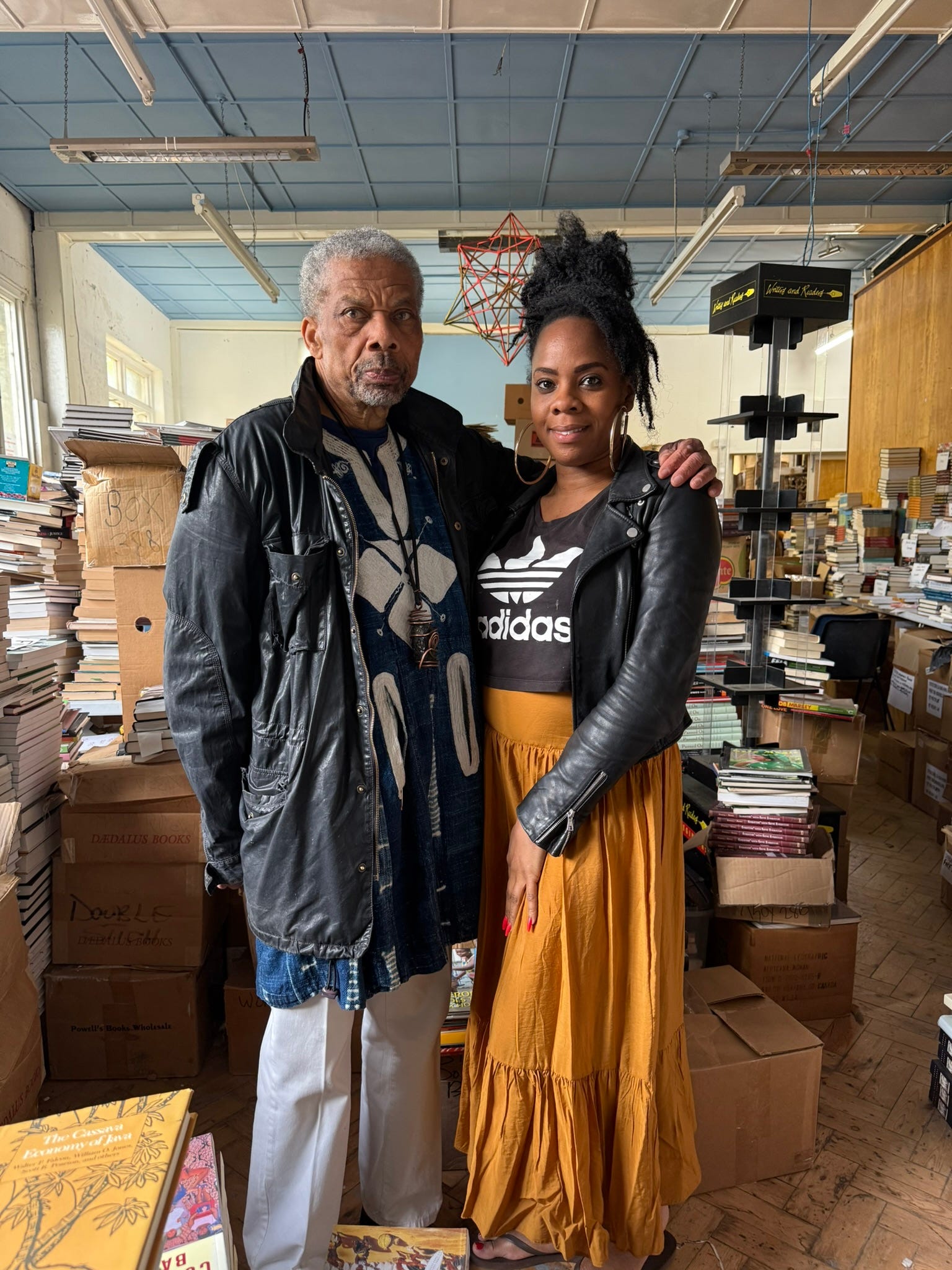
Selina Brown
1. Give us some background on the Black British Book Festival. How did it start, and what is it now?
The Black British Book Festival started from a very simple belief: that Black writers, readers and stories deserved to be seen, celebrated and given the platform they deserved.
When we started, we wanted to create a space where people could discover Black authors, meet writers they admired and, importantly, see themselves reflected in the literary world. What began as a festival has grown into a much wider community around books, reading and representation.
Today, the Black British Book Festival brings together thousands of readers and hundreds of authors. But while the scale has grown, the purpose has remained the same: creating access to Black literature and making sure Black stories are part of the wider literary conversation.
2. How did you become aware of Mr Pepukayi’s story? Why do you think it’s so important?
Baba reached out to me and asked for help. Once I understood what was happening and the scale of the collection he had built over so many years, I knew we had to do something.
Baba has spent decades making Black books available to people. He has described this work as his responsibility, and I think that is incredibly powerful. He has dedicated his life to making sure we can access and tell our own stories.
This isn’t just about one million physical books. These are books containing our histories, experiences, ideas and voices. They have the power to help people understand themselves, discover their history and see possibilities for their own lives.
That’s why the campaign became so important to us. We wanted to help protect this extraordinary collection, but also to show the value of Black books and Black stories. The response we’ve received has been overwhelming and has demonstrated just how much these books mean to people.
3. What do stories mean to you?
Stories are how we understand ourselves, each other and the world around us.
For me, stories have always been about connection. They allow you to see an experience through somebody else’s eyes, but they can also make you feel seen when you recognise your own experience on the page.
That is particularly important for Black readers. We deserve to encounter stories that reflect the richness and diversity of our lives, but we also deserve access to stories that challenge us, take us somewhere unfamiliar and broaden our understanding of the world.
Stories also give us a way to pass things on. They carry memories, history and knowledge from one generation to another. That’s why preserving Black literature matters so much to me. We are not just preserving books; we are preserving the voices and experiences contained within them.
4. What are the stories you turn to for inspiration in your life and work?
I am inspired by stories of people who have challenged what was expected of them and created something that did not exist before.
Working in this space, I am constantly reminded that stories can change the direction of someone’s life. Sometimes it is a book that introduces a young person to a possibility they had never considered, and sometimes it is a story that simply makes someone feel that they are not alone.
I also find inspiration in the stories of Black people who have built, created and persevered, often without having the resources or recognition they deserved. Those stories remind me why creating platforms for Black writers and readers is so important.
5. What’s next; what are your hopes for this campaign and for the future?
The response to this campaign has been incredible. We have seen such an outpouring of support from so many people. Its amazing
My hope is that we can save all one million books, preserve them properly and make sure they continue to reach readers for generations to come.
But I also want us to think beyond this immediate campaign. The response has demonstrated the support, the need and the impact that Black books can have on people’s lives. I hope we can build on that and have a much bigger conversation about how we preserve Black literature and make it accessible.
For me, the goal is not simply to save these books. It is to make sure they continue to be read, discovered, shared and passed on. That is how we keep these stories alive.
Learn more about the Black British Book Festival and the Save 1 Million Black Books initiative here!
Starting in 1972, Baba Pepukayi has been a bookseller and distributor of Black books for over half a century. His bookselling business is based at the Maa Maat centre in Tottenham, North London, where his collection of over a million Black books has come under threat due to repeated break-ins and financial pressure. A fundraiser has raised over £25,000 to secure and restore the building and make Baba’s collection available to the public.
Selina Brown is an award-winning author, cultural leader and Founder & CEO of the Black British Book Festival, Europe’s largest Black literature festival. Since launching BBBF in 2021, she has grown it into a major cultural platform working across publishing, education and communities. Selina is also a Penguin Random House children’s author and recipient of the Queen’s Reading Room National Reading Hero Medal, recognised for her contribution to books, reading and representation.
Interesting
Thank you so much for this information. We author stories from our own experiences that are international in some instances unfortunately. My book “Two Braids and A Bang” has traveled to Europe (France and Germany). She’ll have a place in England next year, God Spare.