Creating a Character
A creative exercise for illustrators

Begin by drawing with no plan in mind. Draw anything. Doodle for fifteen minutes before stopping to look over the page.
Select a particularly successful or interesting or personal section from the page to be your character. If this is difficult, have a friend pick. Draw it larger on a separate piece of paper. Feel free to change it as you draw it a second time.
Take inventory of your character’s specific characteristics. Hands? Body? Clothes? Wings? Feet? Accessory objects? Research them all by finding visual references. Make a page of drawings that reflect your research. Feel free to trace anything from copies until you know how to draw them.
Now draw your character again, using your research to make it as specific as possible. Experiment with distortion and detail – how little, how much, where and where not to change the original drawing. Once you are satisfied with the general appearance of your character, revise it again, making the specific details more concrete, more confident. For example, if you’ve used a hesitant line, make it solid. If at this time you want to simplify the character, then take out extra detail and reassess. Be flexible. You may have to put some detail back in. Remember that revision can happen at any time during your drawing process. When you are happy with your revised drawing, go over the pencil lines with black marker.
You have a character. Now you need to know what it looks like from any point of view. Draw it fifty times (yes, fifty!). You’ll be the world’s expert by the end of this exercise. Use three or more sheets of paper. Draw in pencil. Here is a starter list of prompts. Some may not be practical or possible, so add more that are. Draw your character from behind, from the side, from above, from below, sitting, jumping, walking, kneeling, kicking, slouching, stretching, laughing, eating, sneezing, crying, crawling. Researching any necessary objects, draw your character playing tennis, playing trumpet, weightlifting, making bread, changing a diaper, drawing themselves, making coffee, tying hiking boots Add partial environments: teetering on a cliff, behind jail bars, at a protest, getting a facial. Zoom in for close-ups. Remember to fill in new details when zooming into eyes, hands, torso, lap, shoes or feet from the character’s perspective. Zoom out: from above, from very far away, from inside a tunnel, from above with the character underwater, from afar skiing downhill, from outside a window with the character inside reading, from outside of a car with the character driving, from outside an airplane with the character as a passenger.
Look over your drawings. What do the images say about your character? What information do they convey? What possibilities about their lives and pasts and preferences and goals might they suggest? Write a list of possible facts about them. If you were working from a script, this list might have been your starting point, but now characters, stories, and whole worlds can originate from the images themselves. Begin with these prompts, responding in bullet points or in a steam-of-consciousness paragraph, expanding and moving between questions however you like. But be specific!
Read on for an epic list of prompts
What are their most striking physical characteristics?
How does it feel to be in their body?
How old are they?
What physical activity do they most enjoy?
What activity do they avoid?
What is their full name?
What does their signature look like? Sign their name as they would.
Do they have parents and siblings? Name a fact about a grandparent.
Describe their worst fight with a family member.
Describe an odd childhood memory, one they’re not even sure why it stays with them.
Do they have any birthmarks, scars, tattoos, injuries, or recent wounds?
Where do they live now?
What sort of dwelling?
Do they own or rent it?
What do you smell when you walk in?
Do they live alone or with others?
Do they have a pet?
What sort of animals do they come in contact with?
What sort of bed do they sleep in?
What is their sleeping position?
What is on the bedside table or near them when they sleep?
Describe a fragment from a dream they had last night.
Name items in their medicine cabinet.
What clothing do they own other than what they’re currently wearing?
What is their clothing made of? Describe their shoes.
Do they wear underwear?
Where do they get their clothes? Do they wear a ring or other specific piece of jewelry? Where did they get it?
What do they eat? Do they cook?
What is their favorite food? Where do they get it?
What is the best meal they ever had?
Do they have neighbors?
How would neighbors describe their personality? Would all the neighbors agree
Are there any people or places they avoid?
When they want to be alone, where do they go?
When they want to be with others, where do they go?
List five actions they perform daily.
What happened yesterday at work?
Describe their workplace—the physical structure, the quality of light, the noise level. How do they feel when they’re there?
What is the last lie they told?
Name something they lost and how they lost it.
Describe a secret they’ve told only once.
Name two of their regrets, one big, one small.
What is the most violent event they ever witnessed or experienced?
What was the highpoint of their week?
Describe an odd way they have of killing time and the first and most recent times they did it.
Describe a smell, taste, or texture they hate and why.
Describe the last time they laughed.
Describe something contradictory about them.
Describe an ambition they no longer have.
When they close their eyes, what do they picture?
Name two things they worry about, one small, one big.
What is one of their biggest goals?
Name something specific they would sacrifice to achieve it.
Name something they would not sacrifice.
Name something they’re not sure they could sacrifice or not.
What do they think will happen to them when they grow older?
They have a nagging feeling that they forgot something. What was it?
Reach into one their pockets and pull something out. What is it?
What are they doing right now? Describe the location.
Are they having a good time?
What do they most want at this moment?
Describe your character in one sentence.
You now should have a pretty interesting character. By developing it visually, you likely spurred yourself to invent details, both visual and nonvisual, that you wouldn’t have if you’d approached character development only through words. You also probably have a range of situations, plots, and other story material to build on for the next chapters. Add anything you want at any time.
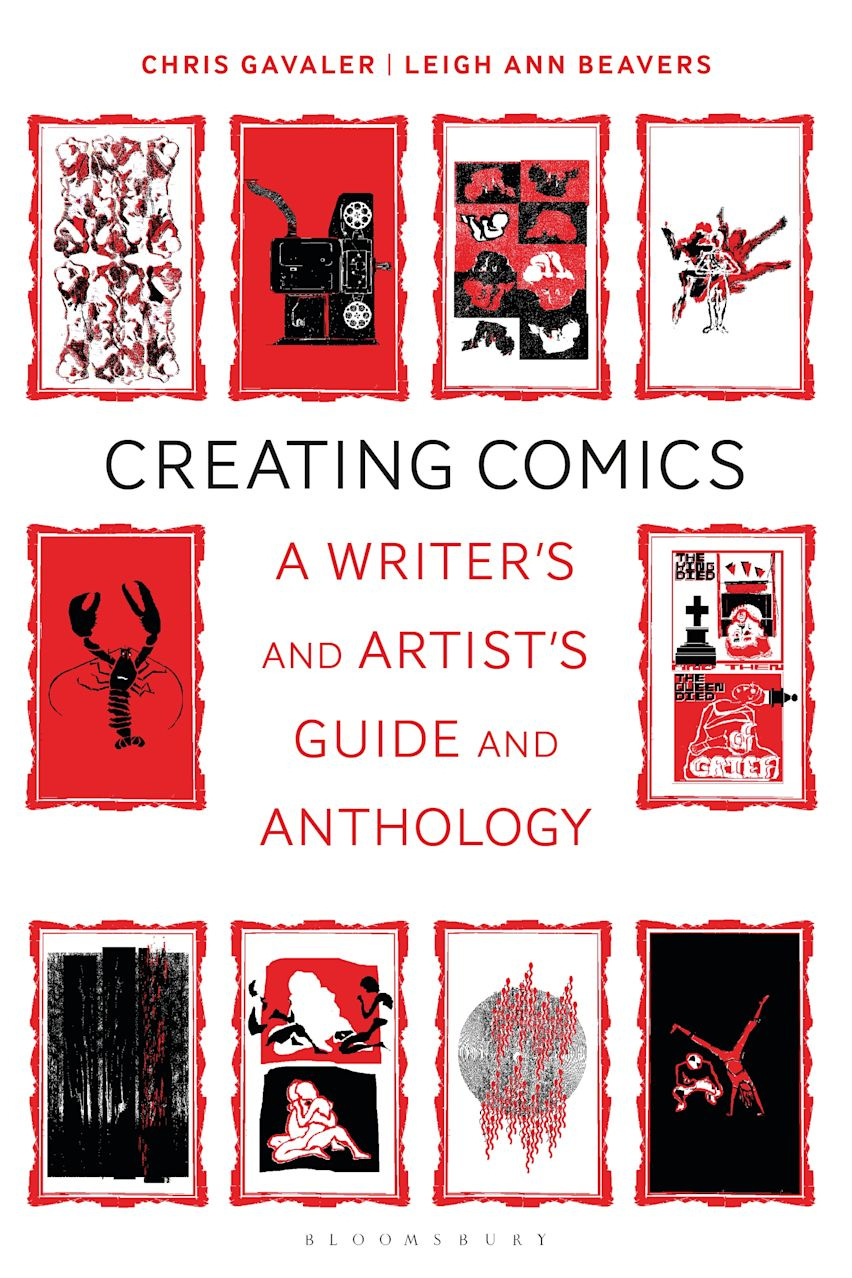
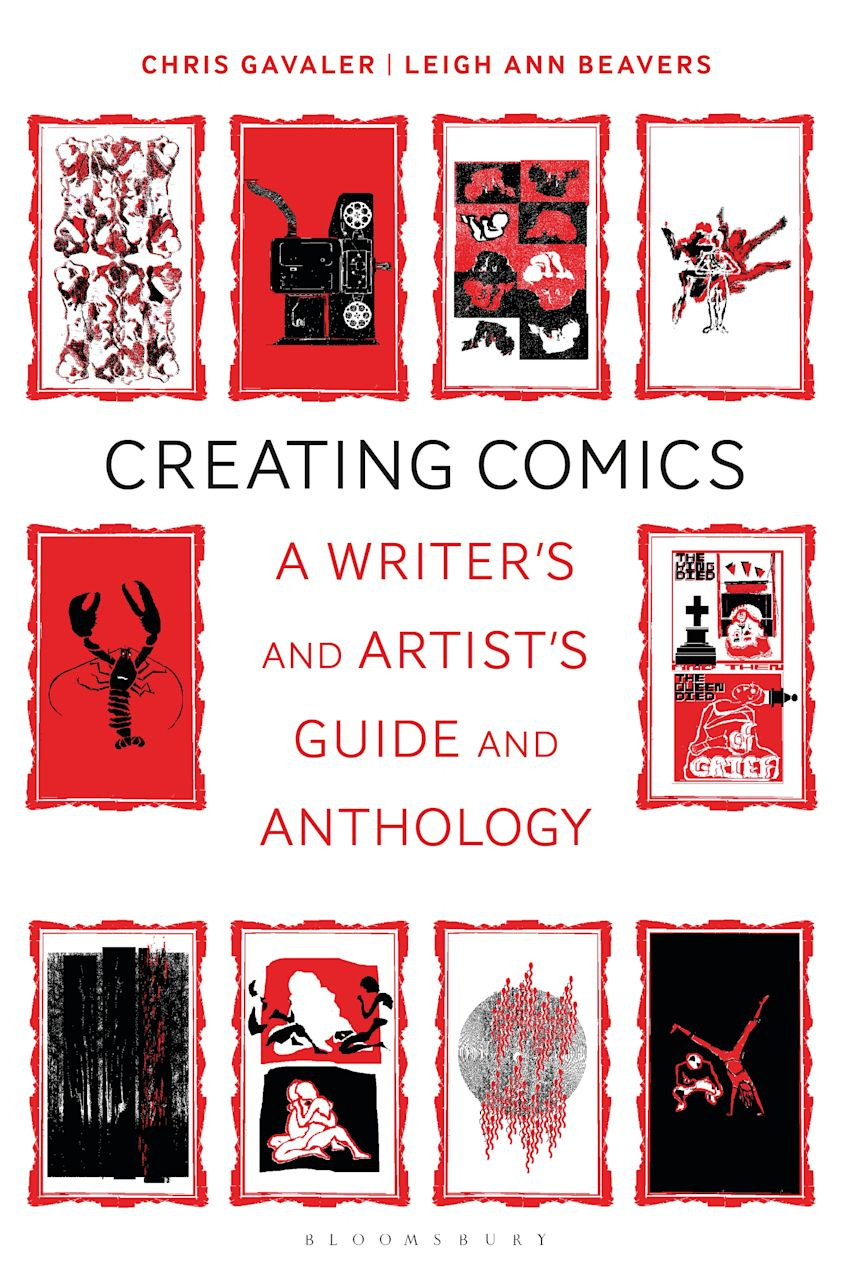
This exercise was taken from Creating Comics: A Writer's & Artists’ Guide and Anthology by Chris Gavaler and Leigh Ann Beavers.
Amazing!
This is a fantastic exercise. There’s something so grounding about starting with a 'doodle'—it bypasses the over-thinking that usually kills creativity. I’ve always believed that you don't really 'know' a character until you’ve seen them move, age, and exist in mundane spaces. The shift from visual development to the narrative questionnaire is a brilliant workflow. This is exactly the kind of 'rigorous play' that leads to truly solid world-building. Saved this for my next project!